Agricultural plastic film refers to the thin type of agricultural film directly covering the cultivation border or near the ground. In recent years, a variety of colored agricultural films have been put on the market. Due to the different absorption and reflection laws of different colors of agricultural films on the spectrum, the effects on crop growth, weeds, pests and ground temperature are also different. Therefore, we should choose different colors of agricultural film according to the characteristics of different crops and planting seasons.
Colorless and transparent film

It is also known as common film film, with thickness of 0.015 mm and width of 80-300 cm. Its transmittance and thermal radiation rate are more than 90%, and it also has certain reflective effect.
It is widely used in spring to increase the temperature, water storage and moisture conservation. In addition, it can also improve the soil microbial activity, improve the soil, and improve the content of soil organic matter.
Black film
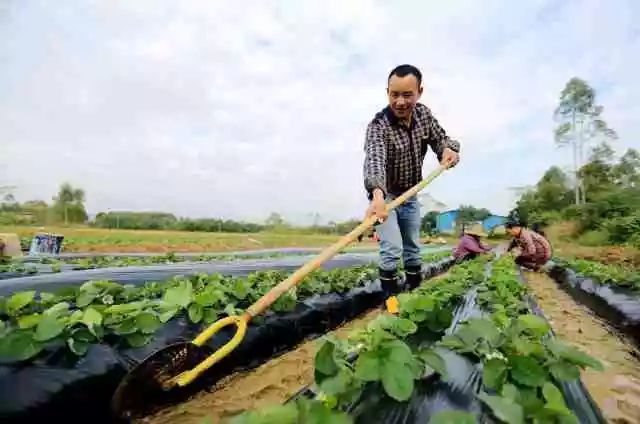
The low transmittance can effectively prevent the evaporation of water in the soil and inhibit the growth of weeds, but the temperature increase is slower than that of transparent film. The ground covering can significantly reduce the ground temperature, inhibit weeds and maintain the soil humidity.
In the field with serious weeds or in the high temperature season, the effect of black film is the best.
Silver gray film
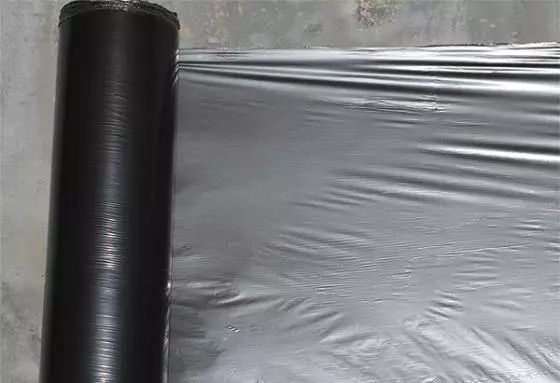
The light transmittance is about 60%, which can reflect ultraviolet rays. The ground covering has the functions of cooling, moisturizing and repelling aphids. It can increase the reflected light on the ground, and is conducive to fruit coloring.
It is suitable for the prevention and control of diseases and insect pests and heat resistant cultivation of vegetables, melons and tobacco in summer and autumn.
Blue agricultural film
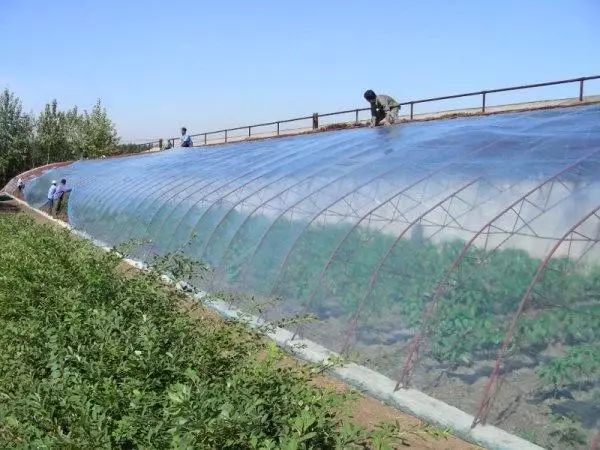
The main characteristic of blue film is good heat preservation performance. Under the condition of weak light, the transmittance is higher than that of ordinary film. Under the condition of strong light, the transmittance is lower than that of ordinary film, so the heat preservation performance is good.
It is used to raise rice seedlings with strong seedlings, many roots and high seedling rate. For vegetables, peanuts, strawberries and other crops, it can inhibit the growth of black spot bacteria in cruciferous vegetables, and has an obvious effect of increasing production and improving quality. It can also be used for covering cultivation of vegetables, cotton, peanuts, strawberries, potatoes and other crops.
Green film
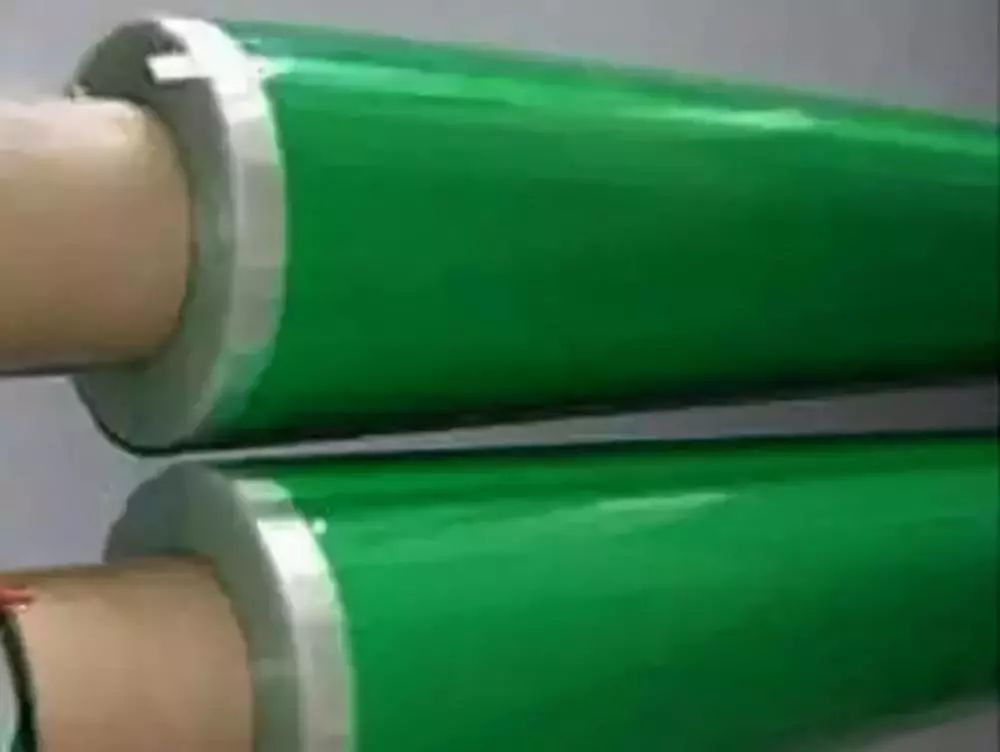
Green film filming can reduce excessive visible light and green light, so it can inhibit the formation of chlorophyll, reduce the photosynthesis of weeds under film filming, and achieve the purpose of inhibiting the growth of weeds. Its warming effect on soil is stronger than black film, but not as transparent film. Therefore, the function of green film is mainly weeding, supplemented by warming.
It can replace black film for weeding in spring, and it can also promote the growth and improve the quality of eggplant, sweet pepper, strawberry and other crops. However, green film is expensive, easy to aging and shorten its use period, so it can be used for ground covering on some crops with high economic value or in protected cultivation.
Black and white double-sided membrane
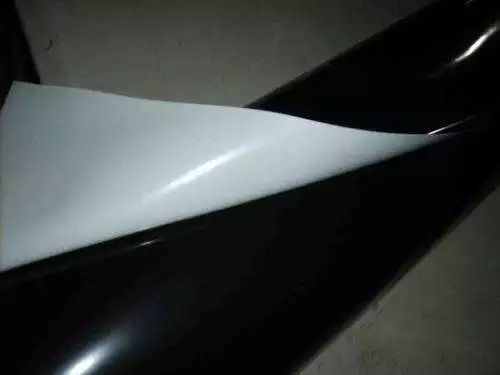
One side of the black and white double-sided film is milky white, one side is black, and the thickness is 0.02-0.025mm. Milky white up, reflective cooling effect; black down, herbicidal effect.
Because the effect of cooling and weeding is better than that of black filming film in summer and high temperature, it is mainly used in summer and autumn vegetables, fruits and other heat resistant cultivation, with the functions of cooling, water conservation, brightening and weeding.
Red film

What's the difference between the colors and uses of agricultural film? Spring ploughing comes, we must understand!
Red film film can stimulate the growth of crops more than black film film, and plants will use more energy for photosynthesis of aboveground parts. Red film can transmit red light and block other color light that is not conducive to crop growth, so that crop growth is vigorous.
The practice shows that the red film can meet the needs of rice, corn and beet for red light. It can make rice seedlings grow vigorously, sugar content of beet increases, carrots grow larger, leek leaves are wide and thick, and harvest time is advanced.
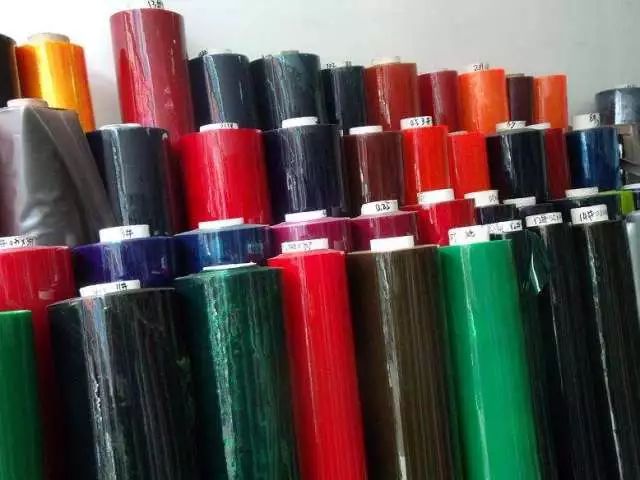
In addition to the colored film, there are milky white film, yellow film, purple film and so on.
The heat radiation rate of milky white film is 80-90%, which is close to transparent film, and the light transmittance is only 40%. It has a certain inhibitory effect on weeds, mainly used for spreading and covering, which can better solve the serious problem of weeds under transparent film.
When the cucumber is covered with yellow film, it can promote its and flowering and increase yield by 1-1.5 times; when the celery and lettuce are covered, the plant grows tall and bolting is delayed; when the lentils are covered, the plant internode grows and legumes grow strong.
Purple film can improve the yield of spinach, delay the bolting and prolong the season of market.