


LDPE Film Recycling Line
JIANGSU GET RECYCLING TECHNOLOGY CO,.LTD
Original from Europe from 2002, with over 160 plastic recycling projects currently in operation, G.E.T Recycling gives you a clear advice with a tailor made solution on the basis of your plastics and requirements. GET is one of your ideal partners in the field of recycling from beginning of negotiation to seeking for best solutions, and from machines manufacturing to after-sales service.
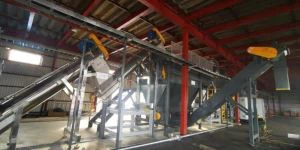
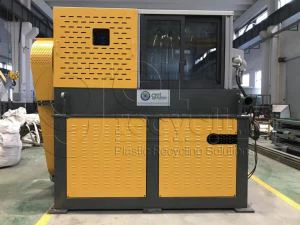
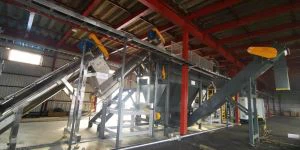
Agriculture film :including greenhouse ,mulching, tunnel and banana film. Post-consumer film: including film from landfills and selective collections Post-commercial and post-industrial fim :including materials 100% stretch.
Why Choose Us
Quality assurance
High efficiency at high capacities, high quality standard recycling plant at Reasonable investment, GET recycling equipment and lines support operational excellence and economic performance for each customer.
Good service
GET is one of your ideal partners in the field of recycling from beginning of negotiation to seeking for best solutions, and from machines manufacturing to after-sales service.
Reasonable price
Demand the highest prices of the end product.
Fast delivery
High efficiency at high capacities, high quality standard recycling plant at Reasonable investment, GET recycling equipment and lines support operational excellence and economic performance for each customer.
Can LDPE film be Recycled?
LDPE must be recycled separately from HDPE and other plastic types due to its structural properties. It can be recycled into various products such as bubble wrap, film plastic, bin liners, compost bins, floor tiles, and more. LDPE has plastic code 4 and is accepted in most domestic recycling bins.

Polyethylene (PE) recycling has improved over the years, thanks to several U.S.-based companies that have stepped up to develop new processes and programs. That evolution in recycling is likely to become more and more valuable in the years to come, considering the polyethylene market has been steadily growing throughout the last decade and is expected to continue rising.
We're all aware of the dangers of plastics in the environment, but one of those popular PEs, low-density polyethylene (LDPE), is an excellent candidate for recycling. Let's take a closer look at how it gets recycled and what it can do for you.
To be recycled, plastic film must be separated based on density — between high-density polyethylene (HDPE) and low-density polyethylene — and colored or printed film. Film that is not separated can greatly affect the value of the items produced with the recycled plastic. Colored or printed film and clear film go to different processing streams to avoid contaminating each others' streams, which would greatly reduce the value of the end product.
Other items that need separating are films with labels and clean films. In the U.S., technology is available to clean labeled films before they move on in the recycling process. That means more film can be recycled on U.S. soil instead of being shipped overseas.
After being separated, LDPE film gets shredded into flakes with grinders. Once in flake form, the plastic gets cleaned to remove dirt, contaminants and other debris. The cleaned flakes are then dried, melted and turned into pellets for ease of handling.
Recycled LDPE can be combined with virgin LDPE material or used on its own to create new end-products. Recycled LDPE is often used to produce piping, sheeting, films and trash bags for composite lumber, building and agricultural applications and other products. Recycled HDPE, on the other hand, is usually used for composite lumber and plastic bags.
Many factors can affect recycled plastic's value, resulting in different grades of LDPE film, many of which can also be made into or use linear low-density polyethylene (LLDPE) film, which has different structural properties:
Premium: Premium film is made with 100% clean, dry, clear, post-industrial material made with LLDPE or LDPE film.
A: Grade A LDPE film is 95% clean, clear, dry and natural, with very little contamination allowed from sources like labels and coloring.
B: Grade B film is 80% clear, with a 20% allowance for colored, clean, natural LDPE or LLDPE film.
C: The lowest grade of recycled film is made with just 50% clear, 50% color, dry LLDPE or LDPE film. HDPE and polypropylene (PP) films are permissible.
What is LDPE Recycled Into?
After recycling LDPE film, it can be used to create a variety of plastic items, such as:
- Composite lumber
- Garbage bags and liners
- Trash and compost bins
- Paneling
- Shipping envelopes
- Furniture
What Are the Benefits of Recycling LDPE?
Beyond reducing waste and creating a cleaner world, there are practical benefits for companies that make the effort to recycle LDPE film:
Reducing waste costs: When you recycle your LDPE, you're taking it out of the trash stream and reducing the volume of waste that gets taken away from your facility. This usually means less trash that would bring up your waste collection bill. Many recycling companies will help set up and organize a recycling program at your facility and pay you for the used LDPE film.
Requiring fewer pickups: Waste film plastic takes up less space than waste corrugate, meaning less frequent deliveries and recycling pickups and therefore less gas consumed - another bonus for the planet.
Reducing energy demand: Because LDPE is derived from natural gases, it uses less energy to produce and recycle compared to corrugate.
Doing your part: If you've wondered how much LDPE is recycled, the answer is "not a lot.” Back in 2015, the Environmental Protection Agency (EPA) released data explaining just 13% of all LDPE or LLDPE containers and packaging were later recycled. Plastic Recycling technology is rapidly changing, but even the most advanced technology doesn't help unless you recycle your LDPE.
Graining reputational benefits: Being a green company can mean a lot for your identity. The more recycled materials you can tout, the better you look to eco-friendly consumers.
LDPE Plastic Recycling History
The LDPE plastic industry has seen tremendous growth since the early 2000s. This material is used extensively across industries like packaging, transportation, construction, retail, and consumer goods. In fact, according to Plastics Europe, global demand for LDPE grew by 8% in 2017 alone.
Because of its versatility, durability, and recyclability, LDPE is considered a “green” plastic. And while some plastics are simply burned off into energy, others are turned into products we use every day. For example, LDPE can be processed into bottles, bags, trays, and film.
But there's still room for improvement. As many consumers know, most plastics end up in landfills, where they don't decompose easily. They take hundreds of thousands of years to biodegrade completely.
That's why most forms of PE recycling has taken off. Companies around the world are developing innovative technologies to recycle this material into new products. Some of those innovations include extrusion blow molding, coextrusion, injection stretch blow molding, thermoforming, and compression molding.
A Look Inside the Recycling Process of LDPE Film Recycling Line
How is it recycled?
The recycling process of polyethylene film, or PE film, is very complex. In fact, there are multiple steps that occur throughout the entire process. These steps include but not limited to collecting, transporting, processing, and separating. Each step plays a vital role in making sure that the material is properly cleaned and sorted into recyclable materials.
Collecting
LDPE Film Recycling Businesses have done a great job setting up programs for collecting, baling and recycling their LDPE Film scrap. Distribution centers lead collection efforts, then transport the collected scrap to consolidation locations, where it is consolidated and prepared for shipment to customers.
Grocery Stores have set up drop off boxes for residents to bring LDPE Film scraps from home for recycling. These boxes end up at the consolidation locations for baling and ends out being converted into new products. Farmers have invented machines to collect LDPE Film scraps directly from the fields. The key is to keep contamination levels low.
Transporting
Most plastic brokers and processing centers build a network of logistic providers that transport plastic scrap from all over the world. When a collections center or manufacturer has accumulated enough scrap, long haul trucks retrieve the plastic. From there they are brought directly to a processing center or to a larger collection facility for international shipments by boat.
Processing
When the film reaches the facility, it is brought inside. The outside of the building is covered with tarps to protect the equipment from weather conditions. Once inside, the film is inspected. Inspectors check the quality of the film and ensure that it meets certain standards. If it does not meet those standards, it cannot enter the recycling process.
Separating Plastic Materials for Recycling
To recycle plastic film, it must first be separated into two types — HDPE and LDPE — and then colored or printed. If film is not separated from the plastic, it can greatly affect the value and quality of the products made with the recycled plastic. Colored or printed film and clear film go to different processing streams because otherwise they could contaminate each other's processing streams, which would greatly diminish the value of the end product.
Other items that need to be separated are films with labels and films without labels. Technology is available in the United States to clean labeled films before moving them on in the recycling process Recycling more film domestically means that less film needs to be shipped overseas.

LDPE film gets shredded into flakes with grinders. Once in flake form, the plastic gets cleaned to remove dirt, contaminants and other debris. The cleaned flakes are then dried, melted and turned into pellets for ease of handling.
Then, the pellets are mixed with virgin LDPE and extruded into sheets or pipes. Other companies take the recycled material and combine it with virgin LDPE to make new product lines.
Next, the flakes go through a cleaning process where they are washed and filtered to remove impurities like dirt, dust, sand and other foreign matter. Finally, the flakes are dried and placed inside large bins.
When the flakes are ready, workers load them onto conveyer belts and drop them into melting machines. Here, the plastic melts down into molten liquid. The molten liquid is poured into molds to solidify into pellets.
These pellets are then shipped off to customers around the globe. They can be used to produce new products or sold directly to manufacturers. Some companies even sell the pellets to farmers to grow plants that eat plastic.
What Are the Benefits of Recycling LDPE?
Beyond reducing waste and creating a clean environment, there are practical benefits to recycling LDPE film. Companies that use recycled LDPE film save money on waste disposal and reduce the amount of garbage they send to landfills. And because LDPE is derived largely from natural gas, it uses less energy during production and recycling.
Use Recyclable LDPE Plastic in Your Processes
We believe it's important to make sure that every material we recycle meets industry standards and complies with environmental regulations. With that in mind, we supply recycled LDPE resin to ensure that our client's products meet those sustainability efforts.
Our team can help assess and determine the best way to incorporate recycled materials into your processes. Whether you're considering using LDPE film for trays, bundling and shrink-wrapping, or picking and placing, our experts can provide advice and technical assistance. Call us today to discuss how we can help.
If you use virgin LDPE in your processes, reach out to our team to determine the best buying program to help your company create environment friendly waste streams, and increase profitably for your brand.
The issue of plastic waste has become a pressing concern. Plastic film, in particular, poses a significant challenge due to its widespread use in packaging, agriculture, and various other industries. However, with the development of advanced recycling technology, plastic film recycling lines are playing a crucial role in reducing waste and protecting the environment.
The Problem of Plastic Film Waste
Plastic film, including materials such as polyethylene and polypropylene, is commonly used in the form of bags, wraps, and packaging. Unfortunately, much of this material ends up in landfills, where it can take hundreds of years to decompose. The accumulation of plastic film waste not only contributes to environmental pollution but also poses a threat to wildlife and ecosystems.
The Importance of Recycling
Recycling plastic film is essential for mitigating the harmful impact of this waste on the environment. By diverting plastic film from landfills and incineration, recycling helps conserve natural resources, reduce energy consumption, and minimize greenhouse gas emissions. Furthermore, recycling plastic film supports the circular economy by promoting the reuse of materials and reducing the demand for virgin plastic production.
The Role of Plastic Film Recycling Lines
Plastic film recycling lines are at the forefront of the effort to address the challenges posed by plastic film waste. These advanced facilities are equipped with state-of-the-art machinery and processes designed to efficiently collect, sort, clean, and process plastic film for recycling. The use of specialized washing lines is particularly crucial in ensuring the effective cleaning and preparation of plastic film for reuse.
The Process of Plastic Film Recycling
The plastic film recycling process begins with the collection and sorting of post-consumer and post-industrial plastic film waste. Once sorted, the plastic film undergoes a thorough cleaning process in the washing line, where it is washed, rinsed, and dried to remove contaminants such as dirt, debris, and residual substances. After cleaning, the plastic film is shredded into small pieces and then melted and extruded into pellets, which can be used to manufacture new products.
The Benefits of Plastic Film Recycling Lines
Plastic film recycling lines offer numerous benefits in the effort to reduce waste and protect the environment. By effectively cleaning and processing plastic film waste, these facilities enable the recovery of valuable materials, thereby reducing the need for virgin plastic production. Additionally, the use of plastic film recycling lines helps to create new economic opportunities, promote sustainable practices, and support the development of a more circular and resource-efficient economy.
Challenges and Opportunities
While plastic film recycling lines have made significant strides in addressing plastic film waste, there are still challenges to overcome. These include the need for improved collection and sorting infrastructure, as well as the development of more efficient and cost-effective recycling technologies. However, with ongoing advancements in recycling innovation and the growing awareness of environmental issues, there are also opportunities to further enhance the effectiveness of plastic film recycling lines and expand their impact.
Conclusion
Plastic film recycling lines play a vital role in reducing waste and protecting the environment. By effectively cleaning and processing plastic film waste, these facilities contribute to the conservation of resources, the reduction of pollution, and the promotion of a more sustainable and circular economy. As the demand for plastic film recycling continues to grow, the development and expansion of recycling lines will be essential in driving positive change and creating a more sustainable future for generations to come.
Our Factory
Original from Europe from 2002, with over 290 plastic recycling projects currently in operation, G.E.T Recycling gives you a clear advice with a tailor made solution on the basis of your plastics and requirements.GET is one of your ideal partners in the field of recycling from beginning of negotiation to seeking for best solutions, and from machines manufacturing to after-sales service.
