


HDPE Plastic Recycling Machine
JIANGSU GET RECYCLING TECHNOLOGY CO,.LTD
Original from Europe from 2002, with over 160 plastic recycling projects currently in operation, G.E.T Recycling gives you a clear advice with a tailor made solution on the basis of your plastics and requirements. GET is one of your ideal partners in the field of recycling from beginning of negotiation to seeking for best solutions, and from machines manufacturing to after-sales service.
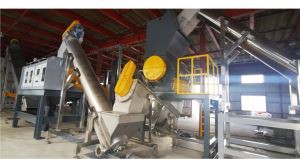


Why Choose Us
Quality assurance
High efficiency at high capacities, high quality standard recycling plant at Reasonable investment, GET recycling equipment and lines support operational excellence and economic performance for each customer.
Good service
GET is one of your ideal partners in the field of recycling from beginning of negotiation to seeking for best solutions, and from machines manufacturing to after-sales service.
Reasonable price
Demand the highest prices of the end product.
Fast delivery
High efficiency at high capacities, high quality standard recycling plant at Reasonable investment, GET recycling equipment and lines support operational excellence and economic performance for each customer.
Introduction to Hdpe Plastic Recycling Machine
HDPE plastic recycling machine is an upgrade of traditional noodle type cutting system. HDPE plastic recycling machine provides stable cutting material and produces beautiful even-shape pellets.
Types Of HDPE Plastic Recycling Machine
HDPE (High-Density Polyethylene) is a popular plastic material used in a wide range of products, including milk jugs, shampoo bottles, and plastic bags. Recycling HDPE is an important part of waste management, and several types of machines are used for this purpose. Here are some common types of HDPE plastic recycling machines:
Plastic Bottle Crushers: These machines flatten and compress HDPE plastic bottles to reduce their volume and prepare them for further recycling processes.
Plastic Granulators or Shredders: These machines shred HDPE plastic waste into small pieces, known as "chips," which can then be melted down and reused to make new products.
Extrusion Machines: Extrusion machines are used to melt down the shredded HDPE plastic chips and shape them into new forms, such as pellets, sheets, or pipes.
Washing Lines: These systems are used to wash and decontaminate the HDPE plastic waste before it is recycled, removing labels, adhesives, and any residual food or chemicals.
Balers: Balers compress and bale the shredded HDPE plastic into compact blocks, which are easier to transport and store before they are sold to manufacturers for reuse.
Molding Machines: These machines use the recycled HDPE plastic granules to create new products, such as plastic furniture, toys, and other consumer goods.
Separation Systems: These machines separate HDPE from other types of plastic waste, allowing for more efficient recycling.
Pelletizing Machines: These convert the recycled HDPE into small pellets, which are easier to handle and transport for reuse in manufacturing processes.
Recycling HDPE plastic helps reduce waste, conserve resources, and lower greenhouse gas emissions. The specific type of machine used will depend on the scale of the recycling operation and the desired end product.
Plastic recycling is a well-established industry that globally processes and resells several million tons of used plastic material each year. Rather than operating merely out of environmental necessity, plastic material recovery services can be both cost-efficient and productive, saving resources for a range of different manufacturing applications. The recycling and reclamation field also encompasses the industrial processes by which plastic materials are separated into their base monomers and made available for further polymerization at secondary and tertiary levels.
While the plastic recycling industry was originally focused on recovering manufacturing scraps and byproducts left over from initial plastic fabrication, present-day recycling services are capable of reclaiming heterogeneous post-consumer goods as well. The methods employed by material recovery systems tend to vary according to the type of plastic being processed, but there are some essential practices common to most recycling services. Stages such as sorting, cleaning, size reduction, separation, and pelletizing can be found in most plastic recycling operations. Likewise, the machinery used to achieve these processes generally falls into a handful of equipment categories.
Plastic Recycling Sorting Process and Equipment
Sorting and grouping plastic materials according to resin type is an important first step in the recycling process because contamination can render a batch of material un-reusable. The most frequently recycled resins, including polyethylene terephthalate (PET), high-density polyethylene (HDPE), and polyvinyl chloride (PVC), must be carefully separated from one another in order to enable further processing. Contaminants within each type of plastic must also be removed from the base resin to ensure stock purity.
Sorting machines must rapidly identify and categorize large volumes of post-consumer plastic, often under continuous input. Although there are varying degrees of technical sophistication and capacity, an advanced sorting machine can be equipped with some or all of the following features:
Sensors: These devices detect specific polymers within a mixed stream of plastic materials. They can be equipped with x-ray or infrared sensing that registers a polymer's unique signature along the spectrum. Some sensors also incorporate color detection technology that sorts material according to tint and transparency.
Ejectors: Mechanical or precision air ejection units physically group different plastic materials according to resin types. Depending on their capacity, ejectors can often handle very high rates of input.
Computing Systems: Computer processing technology supplies the algorithms that are used to identify and sort different materials. These systems provide the controlling parameters for both sensor and ejector operations.
User Interfaces: An operator's interface can provide machine controls and diagnostic tools for technicians. In addition, interfaces can also offer networking abilities to help integrate a sorting machine and make rapid adjustments to its functions.
A Complete Guide to Choosing the Right Recycling Machine
Plastic recycling is a growing industry. There are numerous factors to consider if you want to start a recycling business. You must decide what types of plastics you will recycle, determine the location of your business, research local and state requirements, research your customers, set up accounts with plastic buyers, estimate start-up costs, obtain necessary financing, arrange for plastic transportation, and, most importantly, invest in a reliable plastic recycling machine.
Plastics are a diverse group of materials, and some plastics can be recycled by one type of process, while others require special processing. In order to figure out what types of plastic you will recycle, you first need to understand the different types of plastic that are available.
The most commonly recycled plastics
The most commonly recycled plastics are PET (Polyethylene terephthalate), HDPE (High-density polyethylene), LDPE (Low-density polyethylene), and PP (Polypropylene).
How to choose the recycling machine for different plastic materials?

01.For PET: Repro-PET recycling machine
This model is equipped with a strand-type pelletizing system, it is perfect for reprocessing plastic materials with high fluidity like PET. The air knives on this model make PET pellets with a uniform shape and high reusability rate.
02.For HDPE, LDPE, PP films: Repro-Flex recycling machine
03.For HDPE, LDPE, PP films with high printing areas: Repro-Flex Plus recycling machine
04.For PP raffia, woven, non-woven: Repro-One recycling machine
05.For PE, PP rigid regrinds: Repro-Direct recycling machine
06.For clean HDPE, LDPE films: Repro-Air recycling machine
Importance of Plastic Recycling in Waste Management
Plastic recycling projects play a crucial role in effective waste management, offering a multitude of benefits for both the environment and our future. By diverting plastic plants from landfills, recycling helps alleviate the burden on these already overwhelmed sites. Washing and film are essential steps in the plastic recycling process.
Conserving Natural Resources And Reducing Energy Consumption
One of the primary advantages of plastic recycling is its contribution to conserving natural resources. When we recycle plastic waste, we reduce the need for virgin materials from supplier to produce new plastics for projects. This means less extraction of raw materials such as petroleum and natural gas, which are used as feedstock for plastic production machinery. By reusing existing plastics through recycling, we can preserve these limited resources and support sustainable practices in the industry.
In addition, the use of recycling equipment in plastics manufacturing projects can significantly reduce energy consumption. By incorporating recycled plastics into the production process, manufacturers can save valuable energy and reduce the greenhouse gas emissions associated with energy production.
Reducing Environmental Pollution
When plastics end up in landfills or are improperly disposed of, they can release harmful chemicals into the soil and waterways over time. These pollutants can have detrimental effects on ecosystems and wildlife.
By diverting plastic waste from landfills through recycling initiatives, we minimize the risk of pollution caused by degraded plastics seeping into groundwater or contaminating surrounding habitats. Recycling reduces the demand for incineration—a method often used to dispose of non-recyclable plastics—which releases toxic gases and contributes to air pollution.
Contributing To A Cleaner And Healthier Planet
The cumulative effect of proper plastic recycling is a cleaner and healthier planet for all living beings. With less plastic waste ending up in landfills or polluting our environment, we create more sustainable communities that prioritize long-term well-being. This is achieved through the use of efficient machinery in the recycling process.
Recycling programs encourage individuals and businesses to adopt responsible waste management practices by providing accessible options for disposing of their plastic waste using machinery. Through education and awareness, we can empower people to make informed choices and actively participate in recycling efforts.
How Plastic Recycling Machines Contribute To A Circular Economy
Plastic recycling machines play a crucial role in creating a circular economy by enabling the transformation of discarded plastics into new products or raw materials. This process not only reduces waste but also helps conserve resources and minimize our reliance on virgin materials.
Reducing Reliance On Virgin Materials
One of the key benefits of plastic recycling machines is their ability to close the loop through recycling. Instead of disposing of plastics after single-use, these machines allow for the collection, sorting, and processing of various types of plastic waste. By breaking down this waste into reusable components, such as pellets or flakes, it becomes possible to manufacture new products without relying solely on virgin materials.
The use of recycled plastics in manufacturing has several advantages. Firstly, it helps conserve natural resources like petroleum and natural gas, which are used as feedstock for producing new plastics. By reusing existing materials, we can significantly reduce the demand for these limited resources and avoid depleting them at an unsustainable rate.
Promoting Resource Efficiency
Plastic recycling machines promote resource efficiency by extracting value from what was once considered waste. Through advanced sorting techniques and innovative processing methods, these machines can handle different types of plastics with varying properties and convert them into high-quality recycled materials.
By transforming discarded plastics into valuable resources, plastic recycling machines contribute to reducing the environmental impact associated with traditional disposal methods such as landfilling or incineration. Rather than ending up in landfills where they can take hundreds of years to decompose fully, recycled plastics find new life as components in various industries.
Creating A Circular Economy
The adoption of plastic recycling machines paves the way for a circular economy where materials are reused instead of being disposed after single-use. This shift represents a significant departure from the linear "take-make-dispose” model that characterizes our current consumption patterns.
In this circular system, recycled plastics become feedstock for manufacturing processes, reducing the need for virgin materials. This not only conserves resources but also reduces energy consumption and greenhouse gas emissions associated with extracting and processing new raw materials.
Moreover, the use of recycled plastics in manufacturing offers numerous possibilities for creating sustainable products across various sectors. From packaging materials to automotive components and even clothing, recycled plastics can be transformed into a wide range of useful items.
Plastic Washing Systems Remove Contaminants Such As Dirt, Labels, And Adhesives From Recyclable Plastics.
Plastic recycling machines play a crucial role in transforming waste plastics into valuable resources. One of the key components of these machines is the plastic washing system. Its primary function is to eliminate contaminants present in the recyclable plastics, ensuring a clean and high-quality output.
The process begins by feeding the shredded or crushed plastic materials into the washing system. Once inside, water and detergents are used to thoroughly cleanse the plastics. The agitation caused by rotating paddles or jets helps dislodge dirt particles that may have adhered to the surface of the plastic. Chemicals can be added to dissolve adhesives or remove stubborn labels.
Afterward, various separation techniques are employed to separate the cleaned plastics from water and other residual impurities. These methods include centrifugal force, hydrocyclone separators, or simple settling tanks where heavier contaminants sink to the bottom while lighter plastics float on top for collection.
Extruders Apply Heat And Pressure To Melt Down Shredded Or Pelletized Plastics For Further Processing.
Once the cleaning process is complete, extruders come into action as another vital component of plastic recycling machines. The purpose of an extruder is to heat and melt down shredded or pelletized plastics so that they can be easily processed further.
The shredded plastic material is fed into a plastics recycling extruder chamber where it encounters a rotating screw mechanism. As this screw turns within a heated barrel, it applies both heat and pressure simultaneously. The combination of heat softens and eventually melts the plastic particles while pressure ensures uniformity throughout the plastics recycling process.
As molten plastic emerges from the extruder's die at its end, it takes on a consistent shape determined by the die's design. This could be in the form of pellets or continuous strands known as filaments, which are essential for plastics recycling. These outputs serve as raw materials for subsequent manufacturing processes in the field.
Separation Units Like Screens Or Air Classifiers Separate Different Types Or Sizes Of Plastics Based On Their Properties.
In the realm of plastic recycling, separation units play a vital role in sorting and segregating different types or sizes of plastics. These components ensure that plastics with similar properties are grouped together for efficient processing.
Screens and air classifiers are commonly employed as separation units. Screens, often made from wire mesh, have varying hole sizes to allow specific plastic particles to pass through while retaining others. This process separates plastics based on their size, allowing for further refinement downstream.
On the other hand, air classifiers use airflow and mechanical forces to separate plastics based on their density and shape. By adjusting the speed and direction of the air stream, lighter plastics can be separated from heavier ones. This method proves particularly useful when dealing with mixed plastic waste streams containing various types of polymers.
By incorporating these separation units into plastic recycling machines, manufacturers can streamline the recycling process by efficiently categorizing plastics according to their properties. This ensures that each type undergoes appropriate treatment and maximizes the overall efficiency of the recycling operation.
We all have a responsibility to protect our planet and make a concerted effort to recycle items. we can help you operate as eco-friendly as possible by recycling HDPE waste.
Most commonly known as Polyethylene, HDPE is processed into two different forms. Although there are many types of Polyethylene, it can be categorised as Low Density and High Density. Here we will be looking at High-Density Polyethylene; the stronger and heavier of the two plastics. In particular, we will be looking not only at the HDPE recycling process but also the recycling of HDPE film.
If you are wondering what kind of things are made from HDPE, consider milk bottles, detergent bottles, bleach bottles, shampoo bottles, and tupperware. HDPE film is widely used in warehouses, as its tensile strength is excellent and is resistant to corrosive chemicals. It can be used for food contact and it can be sterilised easily. Chemicals previously used for food contact were found to leach chemicals. Because HDPE film is transparent, it has many other beneficial uses.
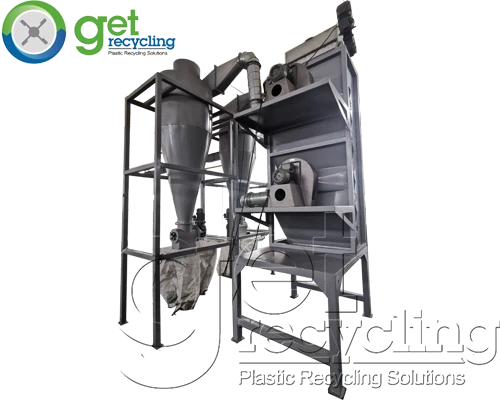
Environmental Facts About HDPE Plastic
Before we look at the exact process entailed in polyethylene recycling, it is worth considering some facts regarding the eco-footprint of this product. Most people will come into contact with HDPE every day. After all, this strong plastic is used to make everything from shampoo bottles to drink containers.
Since this material has a lot of different uses, it means that there is a large environmental impact when it comes to HDPE plastic. However, businesses can ensure that HDPE is recycled correctly to reduce this impact, and that is exactly what are here to assist with.
Our Factory
Original from Europe from 2002, with over 290 plastic recycling projects currently in operation, G.E.T Recycling gives you a clear advice with a tailor made solution on the basis of your plastics and requirements.GET is one of your ideal partners in the field of recycling from beginning of negotiation to seeking for best solutions, and from machines manufacturing to after-sales service.
