


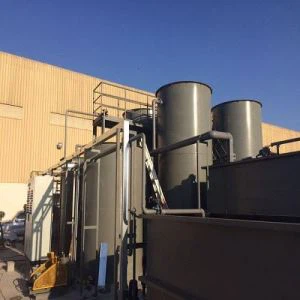
Waste Water Treatment
JIANGSU GET RECYCLING TECHNOLOGY CO,.LTD
Original from Europe from 2002, with over 160 plastic recycling projects currently in operation, G.E.T Recycling gives you a clear advice with a tailor made solution on the basis of your plastics and requirements. GET is one of your ideal partners in the field of recycling from beginning of negotiation to seeking for best solutions, and from machines manufacturing to after-sales service.



Why Choose Us
Quality assurance
High efficiency at high capacities, high quality standard recycling plant at Reasonable investment, GET recycling equipment and lines support operational excellence and economic performance for each customer.
Good service
GET is one of your ideal partners in the field of recycling from beginning of negotiation to seeking for best solutions, and from machines manufacturing to after-sales service.
Reasonable price
Demand the highest prices of the end product.
Fast delivery
High efficiency at high capacities, high quality standard recycling plant at Reasonable investment, GET recycling equipment and lines support operational excellence and economic performance for each customer.
How Does a Wastewater Treatment System Work?
Specific treatment processes vary, but a typical wastewater treatment facility process will usually include the following steps:
Coagulation
Coagulation is a process where various chemicals are added to a reaction tank to remove the bulk suspended solids and other various contaminants. This process starts off with an assortment of mixing reactors, typically one or two reactors that add specific chemicals to take out all the finer particles in the water by combining them into heavier particles that settle out. The most widely used coagulates are aluminum-based such as alum and polyaluminum chloride.
Sometimes a slight pH adjustment will help coagulate the particles, as well.
Flocculation
When coagulation is complete, the water enters a flocculation chamber where the coagulated particles are slowly stirred together with long-chain polymers (charged molecules that grab all the colloidal and coagulated particles and pull them together), creating visible, settleable particles that resemble snowflakes.
Sedimentation
The gravity settler (or sedimentation part of the wastewater treatment process) is typically a large circular device where flocculated material and water flow into the chamber and circulate from the center out. In a very slow settling process, the water rises to the top and overflows at the perimeter of the clarifier, allowing the solids to settle down to the bottom of the clarifier into a sludge blanket. The solids are then raked to the center of the clarifier into a cylindrical tube where a slow mixing takes place and the sludge is pumped out of the bottom into a sludge-handling or dewatering operation.
The dewatering process takes all the water out of the sludge with filter or belt presses, yielding a solid cake. The sludge water is put onto the press and runs between two belts that squeeze the water out, and the sludge is then put into a big hopper that goes to either a landfill or a place that reuses the sludge. The water from this process is typically reused and added to the front end of the clarifier.
Filtration
The next step is generally running the water overflow into gravity sand filters. These filters are big areas where they put two to four feet of sand, which is a finely crushed silica sand with jagged edges. The sand is typically installed in the filter at a depth of two to four feet, where it packs tightly. The feed water is then passed through, trapping the particles.
On smaller industrial systems, you might go with a packed-bed pressure multimedia filter versus gravity sand filtration. Sometimes, depending on the water source and whether or not it has a lot of iron, you can also use a green sand filter instead of the sand filter, but for most part, the polishing step for conventional wastewater treatment is sand filtration.
Ultrafiltration (UF) can also be used after the clarifiers instead of the gravity sand filter, or it can replace entire clarification process altogether. Membranes have become the newest technology for treatment, pumping water directly from the wastewater source through the UF (post-chlorination) and eliminating the entire clarifier/filtration train.
Disinfection
After the water flows through the gravity sand filter, the next step is typically disinfection or chlorination to kill the bacteria in the water.
Sometimes this step is done upstream before filtration so the filters are disinfected and kept clean. If your system utilizes this step prior to filtration, you will need to use more disinfectant . . . this way the filters are disinfected and kept free from bacteria (as well as the filtered water). When you add the chlorine up front you're killing the bacteria and have less fouling. If bacteria sits in the bed, you might grow slime and have to backwash the filters more often. So it all depends upon how you're system operates . . . whether your system is set up to chlorinate upstream (prior to filtration) or downstream (after filtration).
Distribution
If the wastewater is being reused in an industrial process, it's typically pumped into a holding tank where it can be used based on the demands of the facility. If for municipal use, the treated water is usually pumped into a distribution system of water towers and various collection and distribution devices in a loop throughout the city.

Sewage treatment facilities use physical, chemical, and biological processes for water purification. The processes used in these facilities are also categorized as preliminary, primary, secondary, and tertiary. Preliminary and primary stages remove rags and suspended solids. Secondary processes mainly remove suspended and dissolved organics. Tertiary methods achieve nutrient removal and further polishing of wastewater. Disinfection, the final step, destroys remaining pathogens. The waste sludge generated during treatment is separately stabilized, dewatered, and sent to landfills or used in land applications.
What is Wastewater?
Wastewater is the polluted form of water generated from rainwater runoff and human activities. It is also called sewage. It is typically categorized by the manner in which it is generated—specifically, as domestic sewage, industrial sewage, or storm sewage (stormwater).
Domestic wastewater results from water use in residences, businesses, and restaurants.
Industrial wastewater comes from discharges by manufacturing and chemical industries.
Rainwater in urban and agricultural areas picks up debris, grit, nutrients, and various chemicals, thus contaminating surface runoff water.
What is an Industrial Wastewater Treatment System
For industrial companies producing wastewater as part of its process, some type of wastewater treatment system is usually necessary to ensure safety precautions and discharge regulations are met. The most appropriate industrial wastewater treatment system will help the facility avoid harming the environment, human health, and a facility's process or products (especially if the wastewater is being reused). It will also help the facility curb heavy fines and possible legal action if wastewater is being improperly discharged into a POTW (publicly owned treatment works) or to the environment (usually under a National Pollutant Discharge Elimination System, or NPDES, permit).
But what is a wastewater treatment system and how does it work?
The complex answer to this question (which largely depends on the wastewater characterization in relation to regulatory requirements for discharge from the plant) is simplified and broken down for you below:
What is a wastewater treatment system?
- A wastewater treatment system is a system made up of several individual technologies that address your specific wastewater treatment needs.
- Treating wastewater is rarely a static process, and a wastewater treatment system that is engineered to accommodate fluctuations in treatment needs will go a long way in avoiding costly replacements/upgrades down the line.
An efficient and well-designed wastewater treatment system should be able to handle:
- Process variations in contamination and flow.
- Variations in water chemistry needs and required chemical volumes adjustments.
- Possible changes in water effluent requirements.
What's included in a basic wastewater treatment system?
As mentioned above, the exact components of a wastewater treatment system depend on the wastewater characterization in relation to regulatory requirements for discharge from the plant, but in general, a basic wastewater treatment system typically includes some type of:
Clarifier to settle suspended solids that are present as a result of treatment.
Chemical feed to help facilitate the precipitation, flocculation, or coagulation of any metals and suspended solids
filtration to remove all the leftover trace amounts of suspended solids (again, the level of filtration needed will depend on the degree of suspended solids removal required to pass local discharge regulations).
Final pH adjustment and any post treatment
Control panel (depending on the level of automated operation needed).
Depending on the needs of your plant and process, these standard components are usually adequate, however, if your plant requires a system that provides a bit more customization, there might be some features or technologies you will need to add on. For example, for facilities that generate biological demand such as food and beverage a biological treatment system will be required to reduce the BOD (biochemical oxygen demand), etc.
An industrial wastewater treatment system might be made up of the technologies necessary to remove any number of the following:
Biochemical oxygen demand
Biochemical oxygen demand, or BOD, refers to the amount of dissolved oxygen needed by aerobic biological organisms to break down organic matter into smaller molecules. High levels of BOD indicate an elevated concentration of biodegradable material present in the wastewater and can be caused by the introduction of pollutants such as fecal waste, cleaning, and wash-down from food processing or fertilizer runoff.
Nitrates and phosphates
If large amounts of nitrates and/or phosphates are not removed from wastewater and these nutrients are discharged into local environments, they can lead to an increase BOD and extensive weed growth, algae, and phytoplankton. This can further lead to eutrophication, or the deoxygenation in a body of water, killing the organisms and potentially leading to hypoxia or environmental.
Pathogens
Pathogens are bacteria, viruses, fungi, or any other microorganisms that can be present in wastewater that can lead to all kinds of health issues, including acute sickness, severe digestive problems, or death. When domestic or industrial wastewater contains these harmful pathogens and is not treated, it can spread illnesses and diseases such as cholera, dysentery, salmonellosis, hepatitis A, botulism, and giardiasis, to name a few.
Metals
Mostly found in wastewater as a result of various industries, manufacturing processes, when left in wastewater in high concentrations, metals can cause extensive damage to the environment and human health. They are particularly damaging because they don't break down and tend to accumulate, causing toxic environs.
Total suspended solids
Total suspended solids (TSS) in wastewater, the organic and inorganic solid material suspended in the water, can, like many of the other contaminants listed, harm aquatic life. They can also be problematic if the wastewater is being reused for a process, so depending on whether or not you need to discharge your wastewater in a publicly owned treatment works (POTW) or environment, or reuse the wastewater for process, will determine how harmful the TSS will be. TSS can decrease levels of oxygen in aquatic environments and kill of insects. They can also scale and foul piping and machinery.
Total dissolved solids
Total dissolved solids (TDS) are any anions, cations, metals, minerals, or salts found in wastewater. They can cause issues with aquatic life, irrigation and crops, and they can also seep into groundwater. TDS can be generated in wastewater from just about any industry.
Synthetic chemicals
When pesticides and other chemicals are used / made in the manufacturing process, they can be transmitted to humans and the environment through wastewater, causing damage to the environment and human health. Some common chemicals found in wastewater include diethylstilbestrol, dioxin, PCBs, DDT, and other pesticides. These "endocrine disruptors” can block hormones in the body and affect the functions these hormones control.
Other Possible Steps to the Wastewater Treatment Process
Lime softening
In waters where you have high hardness or sulfates, or other constituents you need to precipitate or take out, a lime and/or a lime soda process is used. It raises the pH, causing hardness and metals in the water to precipitate out. Cold, warm, or hot lime processes can be used, and each will yield a different efficiency. In general, hotter water removes more hardness.
Ion exchange softening
In some industrial and municipal applications, if there's high hardness, there may be post treatment for the removal of the hardness. Instead of lime, a softening resin can be used; a strong acid cation exchange process, whereby resin is charged with a sodium ion, and as the hardness comes through, it has a higher affinity for calcium, magnesium, and iron so it will grab that molecule and release the sodium molecule into the water.
Special processes
As we stated above, wastewater and effluent regulations differ everywhere you go. We have discussed some of the most common steps in a wastewater treatment plant. Typically there are special process steps to treat for a specific issues, such as the removal of certain metals or organics, or to reduce TDS for recycling etc. For these various problems specific to your individual needs, careful consideration must be given for the proper method of treatment.
How Does a Wastewater Treatment Plant Work?
Wastewater treatment plants use four stages of treatment:
Preliminary treatment: It involves the separation of large solids (bottles, fabric, plastics) found in the water using bar racks and screens.
Primary treatment: Physico-chemical treatments to sediment and precipitate suspended solids and reduce the biochemical oxygen demand of the organic solids. In addition, the treatment neutralises the water, eliminates volatile contaminants, removes greases and oils, etc.
Secondary treatment: Biological treatments that reduce the amount of organic matter in wastewater. They include aerobic processes which degrade organic material in the presence of oxygen, as well as anaerobic processes which oxidise organic matter without oxygen, followed by secondary settling.
Tertiary treatment: Advanced physical, chemical and biological processes, which eliminate heavy metals, nitrogen, phosphorous, and pathogens. In some WWTPs water undergoes further treatment to allow its reuse for purposes such as irrigation of parks and green areas, street washing, or industrial uses.
Our Factory
Original from Europe from 2002, with over 290 plastic recycling projects currently in operation, G.E.T Recycling gives you a clear advice with a tailor made solution on the basis of your plastics and requirements.GET is one of your ideal partners in the field of recycling from beginning of negotiation to seeking for best solutions, and from machines manufacturing to after-sales service.
