The First Plastic Ban Country in Central America
On July 20, Panama's supermarkets, drugstores and retail stores formally banned the use of disposable plastic bags, becoming the first Central American country to ban plastic in order to reduce pollution. Panama stopped using plastic bags made of polyethylene from that day; for wholesale stores, the grace period will be implemented until 2020.
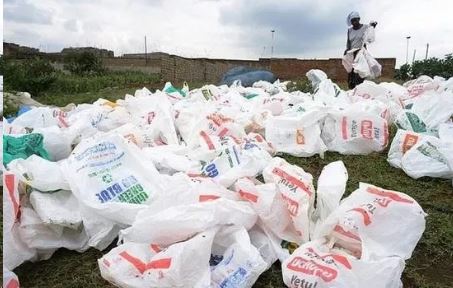
In March 2018, the Panamanian government announced that by 2020, Panama will completely abandon the use of plastic bags. By then, Panama's plastic use will be reduced by 20%. To protect the environment, Panama has declared that plastic bags are banned in supermarkets, self-service stores and general stores. They hope that pharmacies and other stores will gradually reduce the use of plastic bags in 18 months. As for large stores such as warehousing supermarkets, the government hopes that they will complete the replacement of plastic bags in 24 months.
"We hope Panamanians can use reusable cloth bags instead of plastic bags," Panamanian Ministry of Environmental Protection officials said. Since Panama's coastline is nearly 3,000 kilometers long, the ban on plastic bags imposed by the Panamanian government can effectively prevent the increase in the number of plastic bags in the ocean and contribute to the prevention of pollution and global climate change.
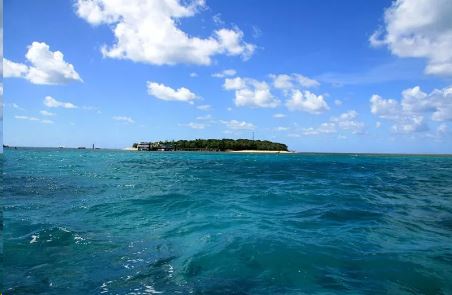
"We are actively responding to the UN's Clean Ocean campaign in the hope of reducing the current situation of excessive plastic products in the ocean through our actions," the official said,Panama is the only country in the Caribbean that bans the use of plastic bags in stores except Antigua and Barbuda, which also demonstrates Panama's determination to protect the natural environment against global climate change.
Reported that although other Latin American countries have not banned the use of plastic bags in domestic stores like Panama, they are also reducing the use of plastic bags in other ways. The Colombian government has banned people from using disposable plastic bags less than 30x30cm, and will impose a tax on plastic bags in July 2017. The Chilean government has also enacted a decree to reduce the use of plastic bags in coastal areas.
In order to raise people's concern about plastic recycling, Canadian entrepreneur Robert Bezeau proposed the concept of "Drink it and build with it" and launched a project called "Plastic Bottle Village" on Cologne Island in Northwest Panama, aiming to use plastic waste for residential construction.
Plastic pollution has attracted more and more attention. Previously, we have also reported that "plastics cover the deepest part of the world's trenches", "the Arctic becomes a microplastic reservoir", "young whales die after eating 40 kilograms of plastic bags".
Robert Bezeau first arrived in Panama in 2007, where Bocas del Toro's island and ocean inspired him to settle. But at the same time, he observed that travelers left a lot of rubbish on beaches and towns, and incineration and landfills were almost the only way to dispose of it.
In 2012, Robert Bezeau took the lead in launching a recycling program in Panama, and some volunteers and workers made changes in cleaning, collecting more than 1 million plastic bottles in a year and a half. The recycling program has brought cleaner streets to the island's residents and tourists. But how to deal with these millions of plastic bottles has become a new problem. Robert Bezeau decided, "We use bottles to destroy bottles."
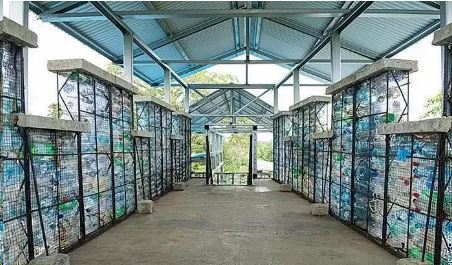
Bezeau has built a series of buildings on the island of Cologne using eco-building technology, using plastic bottles as the main insulation material in concrete walls. A 100 square metre house will use 16,000 PET plastic bottles on average. Each building will provide standard water and electricity supply.
In Bezeau's design, building plastic bottle houses consists of three simple steps: first, plastics bottles are caged with simple wire mesh, then filled into frames made of steel bars, and finally covered with concrete. The team consulted local architects and designed three different models that had sufficient seismic performance.
Bezeau's ultimate plan is to build an 83-acre plastic bottle ecological community, including 120 homes and boutique cabins with gardens and mini-parks for outdoor activities. And an education center was created to teach tourists from different regions how to reuse plastic bottles as building materials. The program has now applied for a series of applications, such as temporary shelters, animal shelters, swimming pools, barns and so on.
At present, the island has taken the lead in building "plastic castle" and "dungeon" and opening them to all.
Elizabeth DeSombre, professor of environmental research at Wellesley College in Massachusetts, commented: "Encouraging people to try to build plastic houses is not a bad thing. It may be part of the solution, but most plastic waste happens behind the scenes and we can't control it." "For such a big problem as plastic pollution, incentives and new regulations are very important."
Original from Europe from 2002, with over 140 plastic recycling projects currently in operation, G.E.T Recycling gives you a clear advice with a tailor made solution on the basis of your plastics and requirements.
GET is one of your ideal partners in the field of recycling from beginning of negotiation to seeking for best solutions, and from machines manufacturing to after-sales service.
High efficiency at high capacities, high quality standard recycling plant at Reasonable investment, GET recycling equipment and lines support operational excellence and economic performance for each customer.