Japan's large beverage company Suntory Holdings (HD) intends to establish a system to regenerate all PET bottles. No new fossil fuels will be invested before 2030. Instead, recycled PET (polyethylene terephthalate) resins and plant-derived materials will be used instead for recycling.
This plan is expected as a model of a recycling of plastic resources that is expected to be launched by Japan to prevent the pollution of waste plastics from the ocean.

About 10% of Suntory's beverages currently sold are recycled PET bottles derived from waste PET bottles. The company plans to increase this ratio to 60 to 70% by 2030, and the rest will be made up by plant-derived resins.
A recycling system will be established by 2030. The investment scale is expected to reach 50 billion yen.
Plant-derived resins will be produced from pine drawn wood or sugar cane bagasse. Suntory will work with US startup Anellotech (New York State) to set up a new plant in the United States.
Suntory believes that this method can be produced at the same cost as the method of producing PET bottles by decomposing naphtha (crude gasoline) derived from crude oil.
Suntory will start production and mass production in 2023. It is estimated that beverages made entirely of plant materials will be available around 2024.
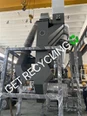
Regarding recycled PET resins, Suntory will jointly develop a system that can efficiently produce beverage bottles with Kyoei Kogyo (Oyama, Tochigi Prefecture). Add regeneration equipment throughout Japan by 2025.
By 2030, Suntory will use recycled PET resin to produce 60% to 70% of beverage bottles, and use plant resins to produce 30% to 40%. Plant resins can also be regenerated.
The company sells PET bottle beverages in 50 countries and regions around the world, using about 10 billion bottles every year.
Regeneration of beverage bottles is also a problem facing global beverage manufacturers. The Coca-Cola company aims to use recycled materials to produce 50% of beverage bottles by 2030.
However, the mainstream approach overseas is to burn or bury PET bottles. The reuse rate of PET bottles in Europe is only 40%, and that in the United States is only 20%. The extent to which the classification recovery mechanism can be implemented is also important.
The Ministry of the Environment of Japan formulated a plastic recycling strategy at the end of March. The G20 summit will be held in Osaka in late June. It is estimated that the countermeasures for marine pollution of waste plastics will also become a major topic of this meeting.