Indonesia Returns 49 Containers of Foreign Waste
1. Governments determined Indonesia not to be Western countries’ garbage dumps
Indonesia claimed on July 2 that customs in Batam, northern Indonesia, would return 49 containers containing toxic waste and garbage to the United States, Australia and some European countries.
According to the Jakarta Post, Indonesia's Ministry of Environment and Forestry had previously said that five containers containing "foreign waste" had been returned to the United States for containing plastic waste. It is reported that the goods should have been paper recyclable materials. Subsequently, the department inspected another 65 containers and found that 38 of them contained dangerous goods and toxic garbage, 11 contained irregular garbage, and only 16 were allowed to be delivered to importers.
Customs spokesman Sumarna said: "We are coordinating with importers to return it immediately." He pointed out that the garbage came from the United States, Australia, France and Germany.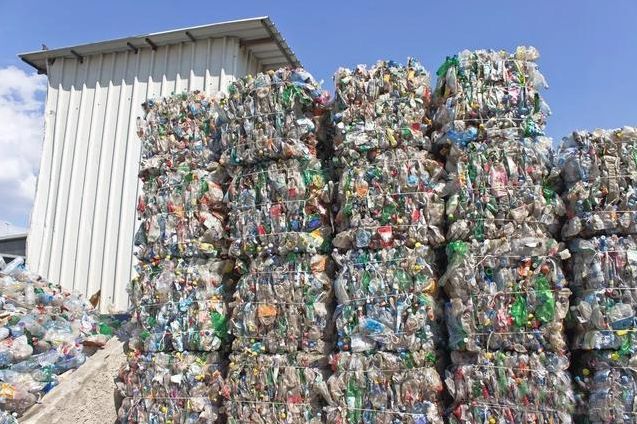
2. China bans imports garbage and Southeast Asia suffers.
Since January 2018, China has banned the import of foreign waste, including 24 kinds of solid waste such as waste plastics, paper, slag and textiles. For a time, this measure had left Western countries at a loss.
The main countries that were then used to fill China's export gap were Southeast Asian countries, including Malaysia and Indonesia. From January to May 2018 alone, Japan exported about 74,000 tons of garbage to Vietnam, Thailand, Malaysia and other six Southeast Asian countries, 16 times the same period in 2017. Since last year, Indonesia's import of plastic waste has increased by 141%, totaling more than 280,000 tons, breaking its record in the past decade.
Indonesia has also joined Malaysia, Thailand, Vietnam and the Philippines in rejecting or returning "foreign garbage" to protect the environment. Before that, Vietnam had suspended the issuance of new garbage import licenses, while Thailand had issued a garbage import ban, while Malaysia and the Philippines had recently returned a large amount of garbage. Prior to that, Indonesia had returned dozens of containers illegally carrying plastic waste in 2015 and 2016.
Bakar, Indonesia's environment and forestry minister, warned early in June that any illegal entry of garbage would be immediately "repatriated". Bakar also stressed that the Indonesian government will focus on investigating malfeasance or violations related to this. In returning containers to the United States, Said, an official of the Indonesian Ministry of Environment and Forestry, pointed out that it was "inappropriate" to mix waste plastic in containers and said "we don't want to be dumps"
3. Cooperate with Japan actively
Apart from the European and American countries, as the second largest exporter of waste plastics in the world, Japan has strengthened its ability of "self-digestion" on the one hand, and on the other hand, it has found a business opportunity from the plight of Southeast Asian countries in garbage disposal - exporting garbage disposal and incineration power generation technology to these countries.
According to Nikkei News, the Japanese government plans to introduce Japanese technology into Southeast Asia before 2023 and build 10 demonstration cities for waste disposal and incineration power generation. The Philippines, Vietnam and Indonesia have shown their intention to cooperate.
In Indonesia, the problem of marine pollution caused by inadequate landfill treatment plants is serious, and it is necessary to establish a management system to prevent waste from flowing into the ocean. Japan's Ministry of Environment has cooperated with the Japan International Cooperation Agency (JICA) to investigate the total amount and types of garbage in Japan. The Enterprise Alliance will also provide support to the West Java Provincial Garbage Disposal and Power Generation Urban Construction Program. The Indonesian government is pushing forward the same plan in 12 regions.
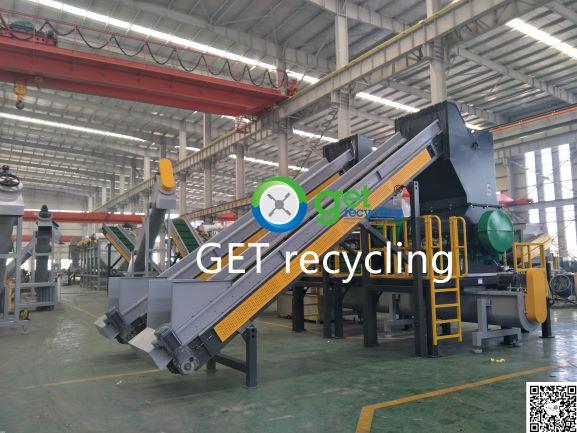
Original from Europe from 2002, with over 140 plastic recycling projects currently in operation, G.E.T Recycling gives you a clear advice with a tailor made solution on the basis of your plastics and requirements.
GET is one of your ideal partners in the field of recycling from beginning of negotiation to seeking for best solutions, and from machines manufacturing to after-sales service.
High efficiency at high capacities, high quality standard recycling plant at Reasonable investment, GET recycling equipment and lines support operational excellence and economic performance for each customer.