Classification of Plastic Recycling Marks
The plastic recycling mark was established by the Society of the Plastics Industry Association in 1988. This set of marks representing plastic material identification codes are printed on containers or packages, from No. 1 to No. 7, so that people do not need to learn the differences of various plastic materials and join the recycling process conveniently. Each plastic container has a small identification - a triangular symbol, usually at the bottom of the plastic container. There are 1 to 7 numbers inside the triangle. Each number represents a plastic type. They are made of different materials and different production process.
No.1 PET (polyethylene terephthalate)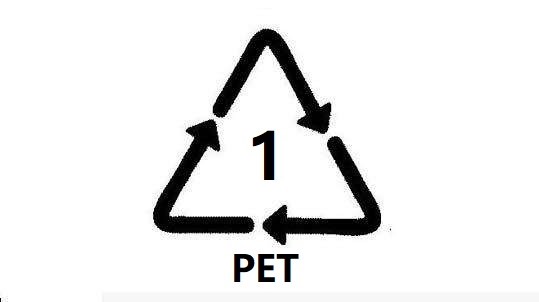
PET is mostly used in mineral water bottles and carbonated beverage bottles, it will be deformed at 70℃ and melt out harmful substances. After 10 months of using No. 1 plastics, it may release carcinogen DEHP. Don’t put it in the car under the sun, don’t fill with alcohol, oil, etc.
No.2 HDPE (High Density Polyethylene)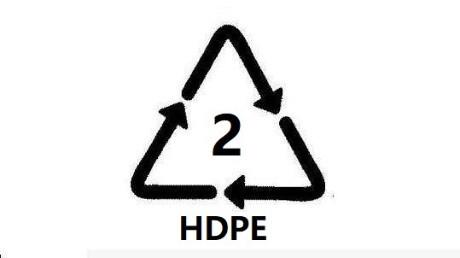
Containers for detergents, shampoos, bath creams, cooking oils, pesticides, etc. are mostly made of HDPE. HDPE containers are mostly opaque and touched like wax.
HDPE is commonly used in white medicine bottles, cleaning products and bathing products. Don't use it as a water cup or as a storage container. Don't reuse if it's not thoroughly cleaned.
No.3 PVC (polyvinyl chloride)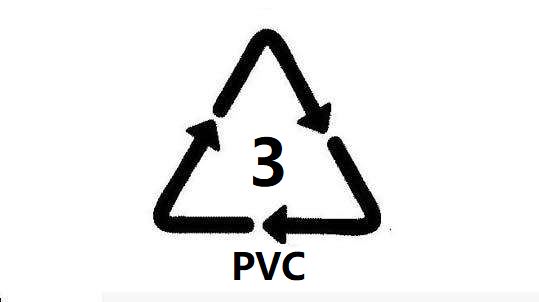
PVC is mostly used to make water pipes, raincoats, schoolbags, building materials, plastic films, and plastic boxes.
PVC containers are widely used because of their excellent plasticity and low price. They can only withstand heat at 81 ℃. They are prone to produce harmful substances at high temperatures and are seldom used in food packaging. Easy to leave residue and difficult to clean. Don’t reuse and don't buy it if they are used for filling drinks
No.4 LDPE (Low Density Polyethylene)
Plastic bags everywhere are mostly made of LDPE, It is also commonly used in plastic wrap, plastic film and so on. It will produced harmful substances at high temperatures. Don’t put the plastic wrap in the microwave oven
No.5 PP (polypropylene)
PP is used to make water cans, garbage cans, baskets, food containers for microwave ovens. It can withstand high temperatures up to 167℃. It is the only plastic box that can be put into the microwave oven. It can be reused after careful cleaning.
No.6 PS (polystyrene)
PS is mostly used to make building materials, toys, stationery, boxes or disposable tableware because of its low water absorption.
It should not be put into the microwave oven to avoid releasing chemicals due to excessive temperature.PS containers will decompose carcinogens when filled with acid (such as orange juice) and alkaline substances. Don’t pack hot food in fast food boxes.
No.7 Other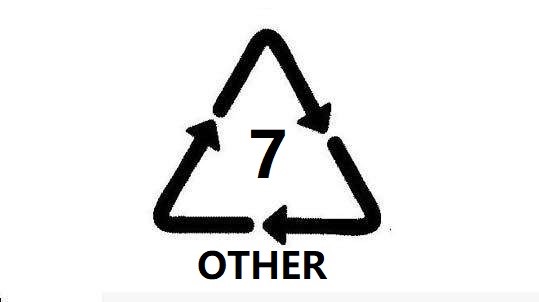
Other kind of plastics. (Such as PC, used in kettles, space cups, milk bottles. Nylon, mostly used for textiles fibers and some household appliances. PC is easy to release toxic substance BPA (Bisphenol A) at high temperature, which is harmful to human body.)